
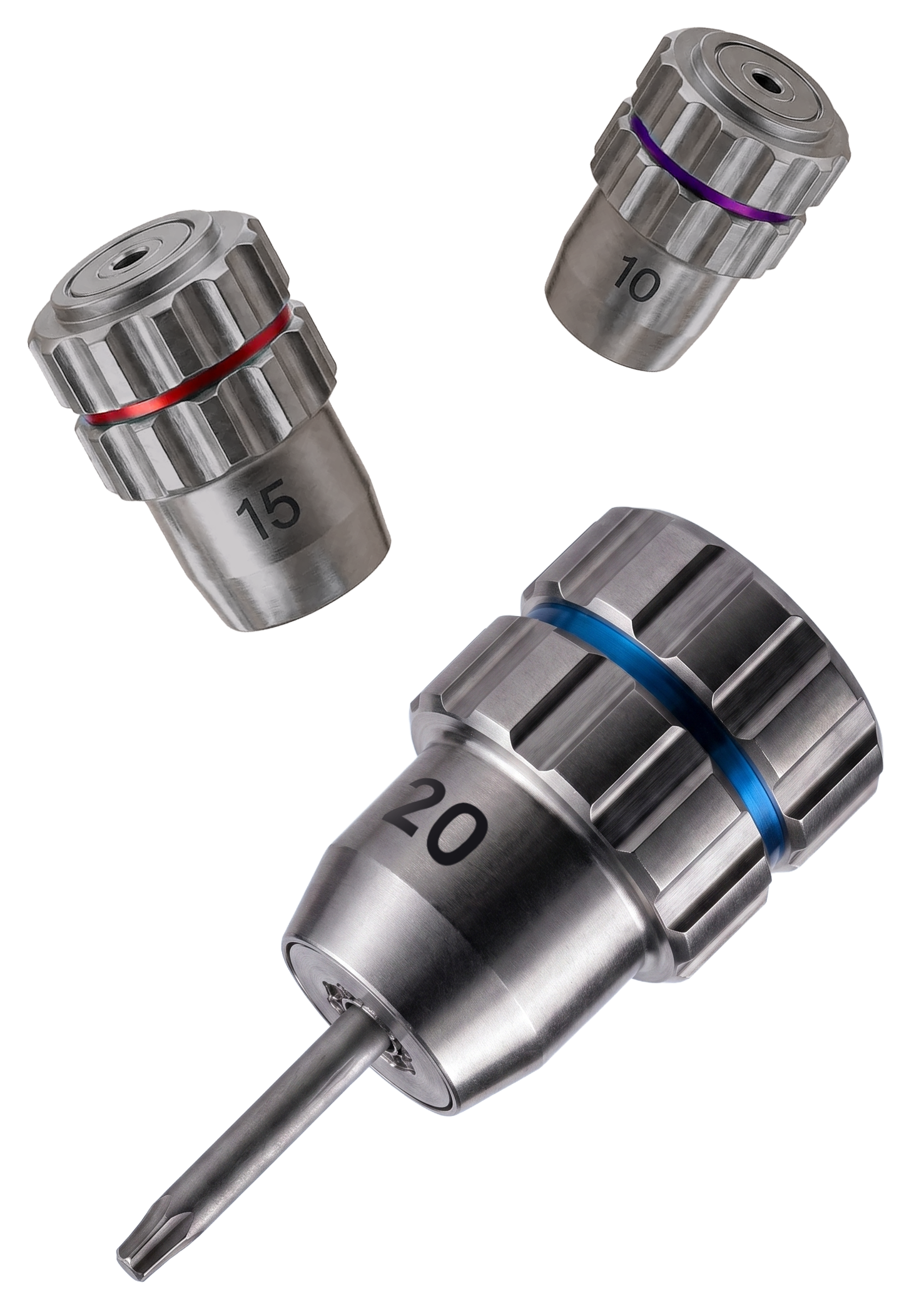

INTRODUCING TACTIQ™ · THE TORQUE DRIVER REINVENTED
Your fingers were never calibrated. Tactiq is.
The first ever precision torque-control driver for implant prosthetics powered solely by finger pressure. One audible click tells you you've hit exactly 10, 15, or 20 Ncm, every single time. No guesswork. No re-torquing. No doubt.

10·15·20
Ncm preset torques
±Precise
Mechanical Declutch
5.5x
Multiple Finger Power
100%
Medical-Grade Steel
Fingers
Fingers = Wrench
Built for oral surgeons, implantologists & full-arch clinicians
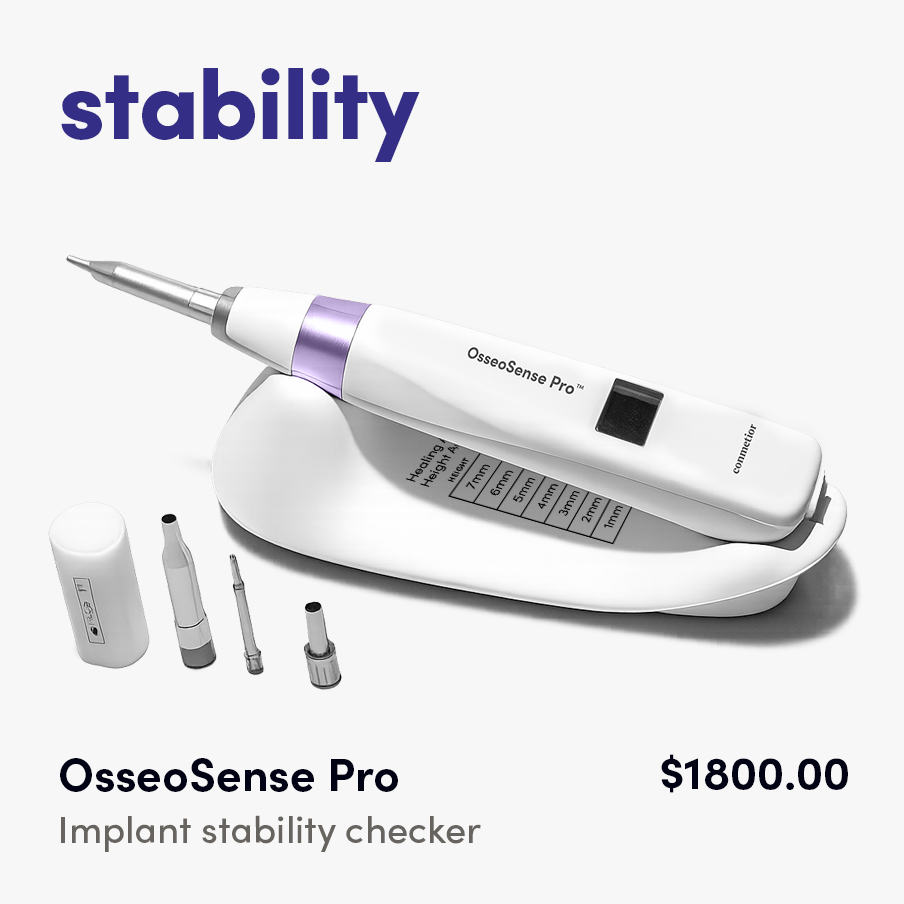
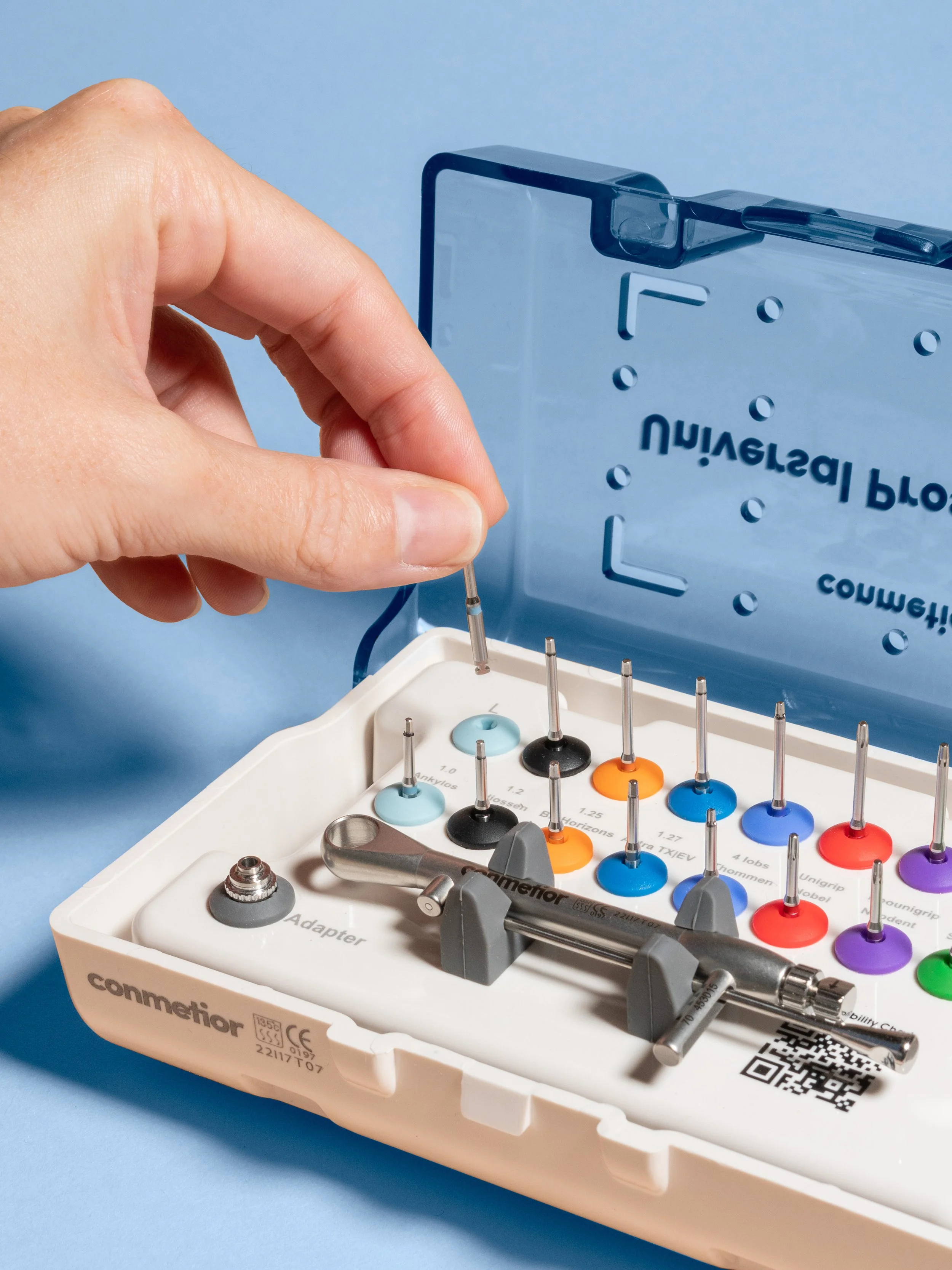
we exist to perfect the essentials
Rather than offering everything, we focus on building the few tools and systems clinicians truly rely on—engineered for precision, refined through use, and designed to perform when there’s no margin for error.
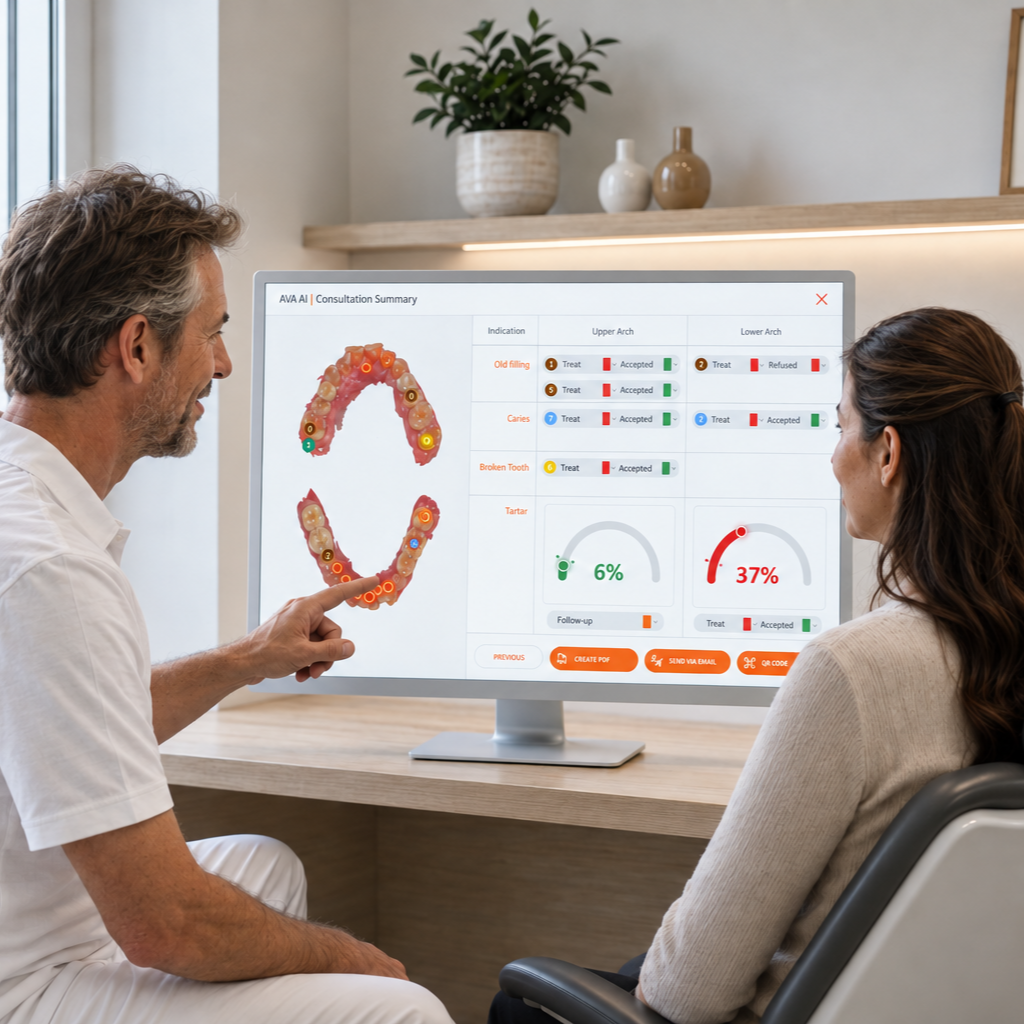
What if patients could see what you see? Dentistry has become remarkably digital, yet one familiar challenge remains: the dentist can see the problem, but the patient often cannot. AVA is an AI Visual Acceptance Platform that turns a fast intraoral scan into clear 2D-3D visual information for clinician review. Used during hygiene or before the consultation, it helps patients see their own teeth, understand the areas their dentist is discussing, and receive a Visual Treatment Plan they can review after the visit. AI assists. The dentist reviews, approves, diagnoses, and decides. See how AVA can support clearer conversations and more confident treatment decisions in your practice.
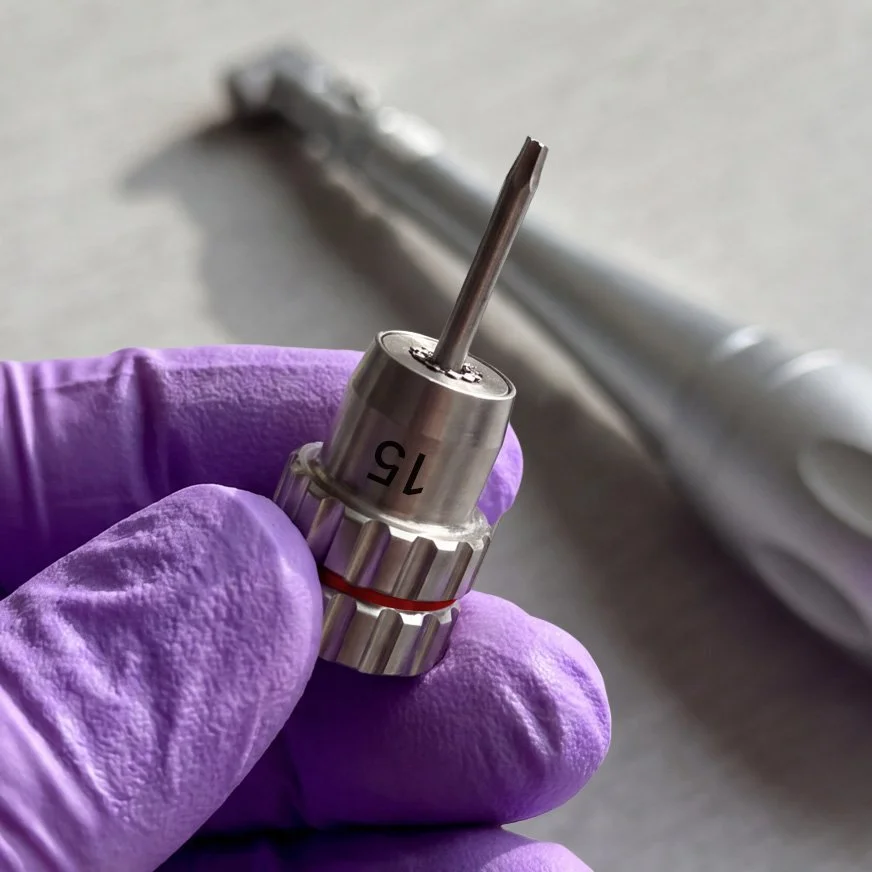
More than 95% of dentists hand-tighten their prosthetic screws, relying on feel at the final step of an otherwise meticulously controlled AOX workflow. Tactiq was created to challenge that habit, bringing measurable, preset torque to the familiar motion clinicians already prefer, because “hand-tight” isn’t a torque value.
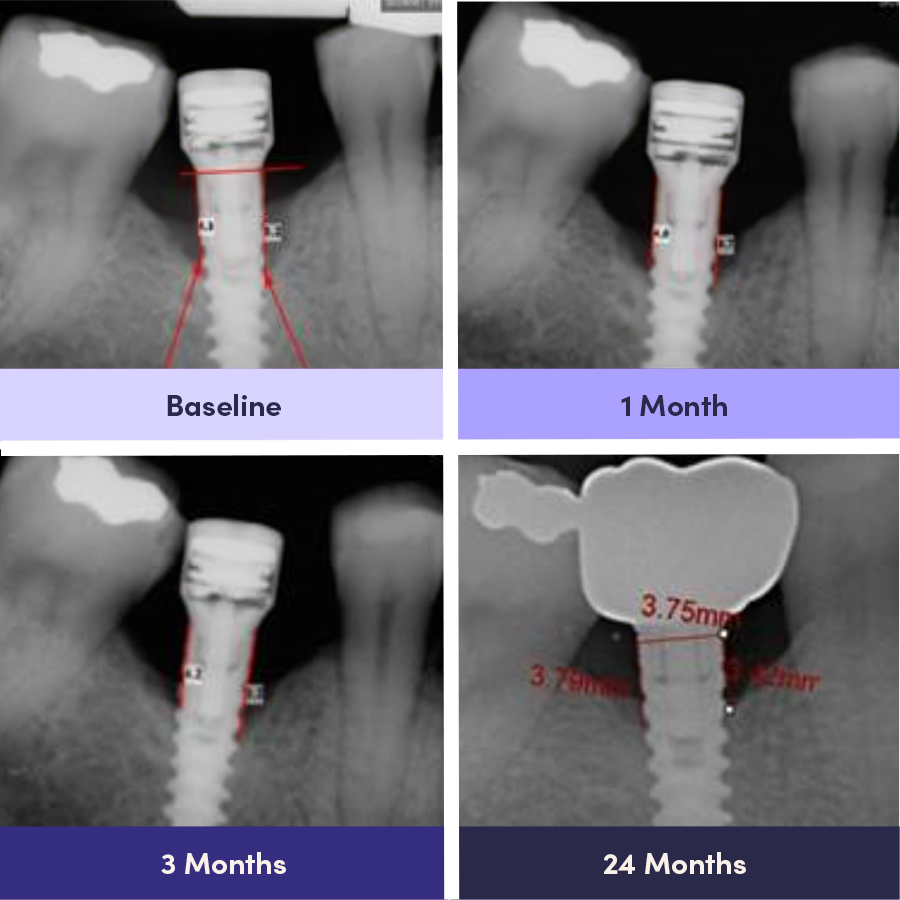
For decades, the weeks after implant placement have largely been left to biology. But new clinical evidence suggests that may be changing. In the first nonsurgical clinical study to demonstrate significant bone growth around implant threads, researchers followed the effects of focused PEMF therapy for 24 months, with intriguing implications for the stability dip, osseointegration, and the future of immediate loading.
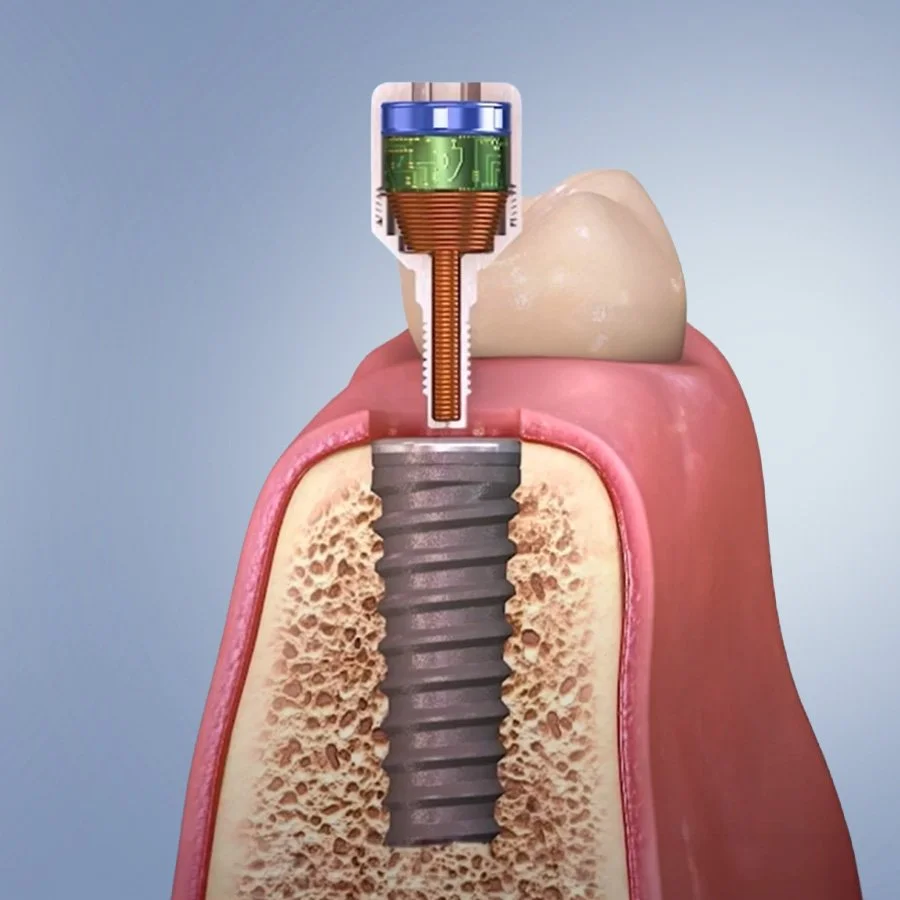
The Magdent Miniaturized Electromagnetic Device (MED) brings Pulsed Electromagnetic Field therapy directly to the implant site, offering a new biological adjunct in the treatment of peri-implantitis. Backed by clinical and preclinical research, the technology is designed to go beyond mechanical debridement by helping control inflammation, support bone recovery, and reshape the peri-implant microbiome, addressing several of the mechanisms that make peri-implantitis so difficult to manage.
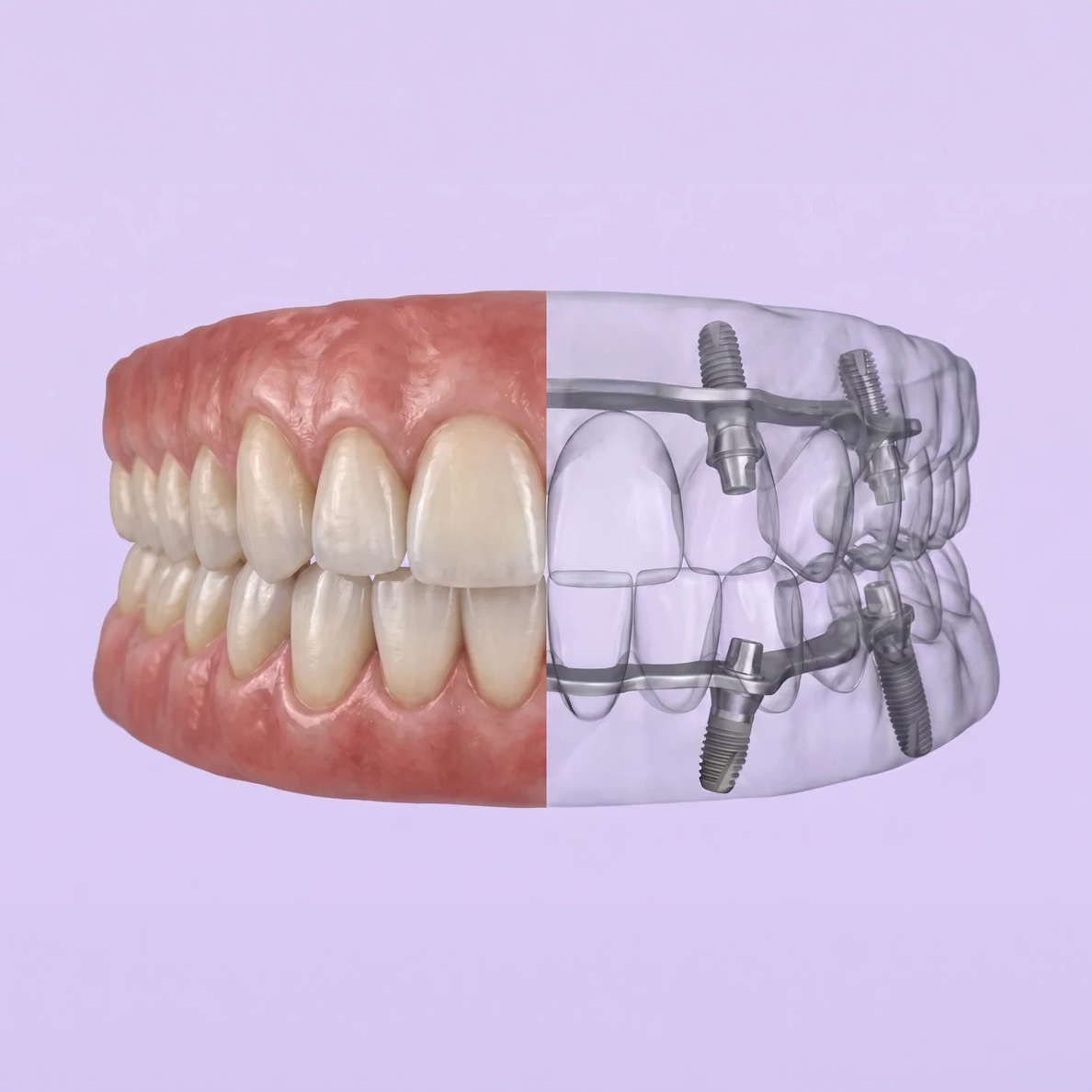
Some of the most important forces in AOX restorations are the ones that never appear on a scan or radiograph. A restoration can look perfect on delivery day while quietly storing mechanical strain that doesn't reveal itself until years later. Learn why passive fit is the result of controlling an entire digital workflow—not just capturing an accurate scan—and why every step from CAD design to sintering plays a role in the long-term success of a case.
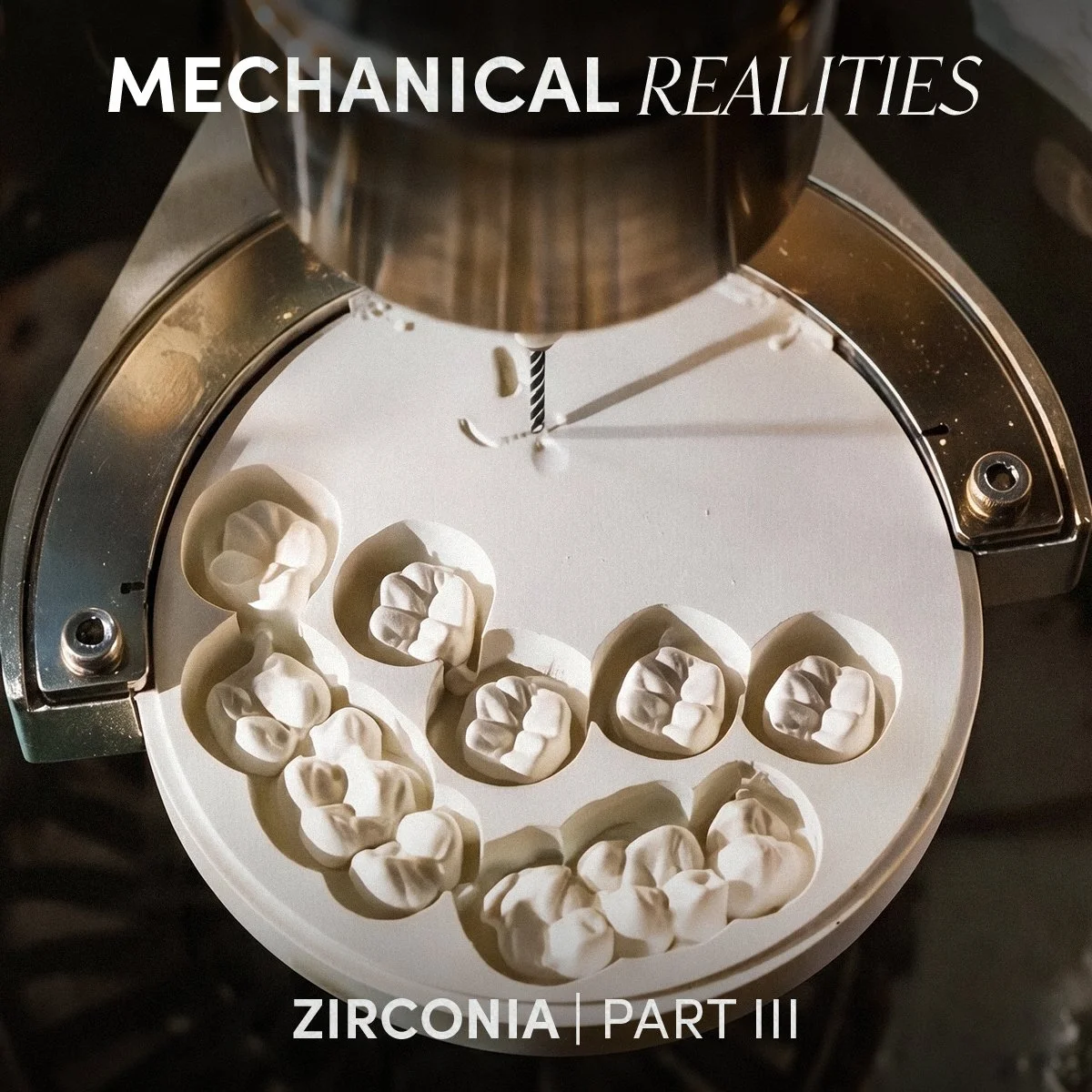
Full-arch zirconia restorations are often criticized for being “too heavy,” but weight is only part of the story. While zirconia is denser than acrylic-based alternatives, the mass of a restoration is determined just as much by its design as by the material itself.
In this article, we examine the relationship between density, volume, and prosthetic space, why excessive bulk often signals deeper design compromises, and how contouring, support distribution, and force management influence performance far more than weight alone.
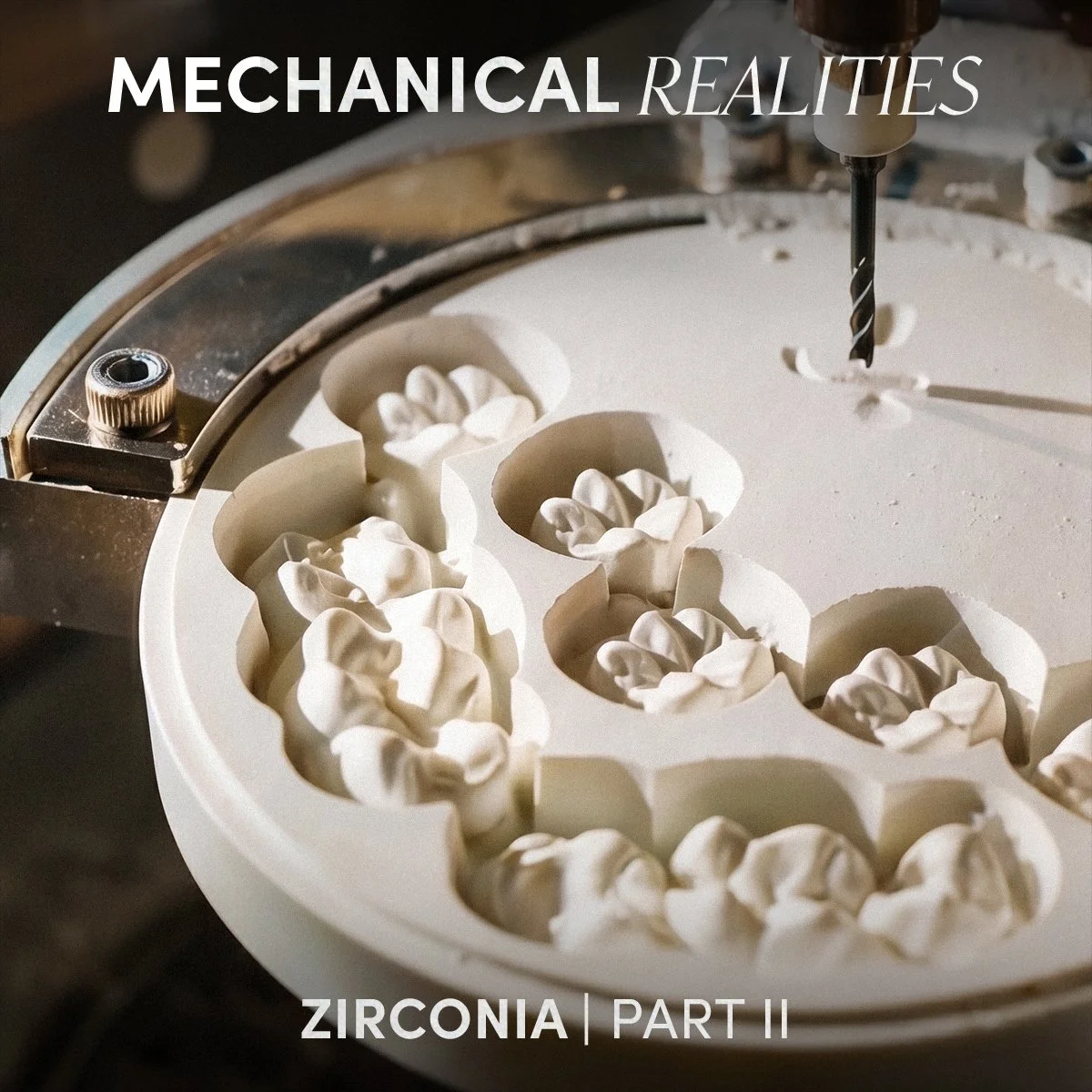
Zirconia fractures are often described clinically as sudden events.
Mechanically, they are the final step of a long process. Ceramics fail through flaw-driven crack propagation. Microscopic defects introduced during manufacturing, adjustment, or surface modification act as stress concentrators. Under repeated loading, these flaws grow incrementally until the remaining cross-section can no longer sustain the applied force.
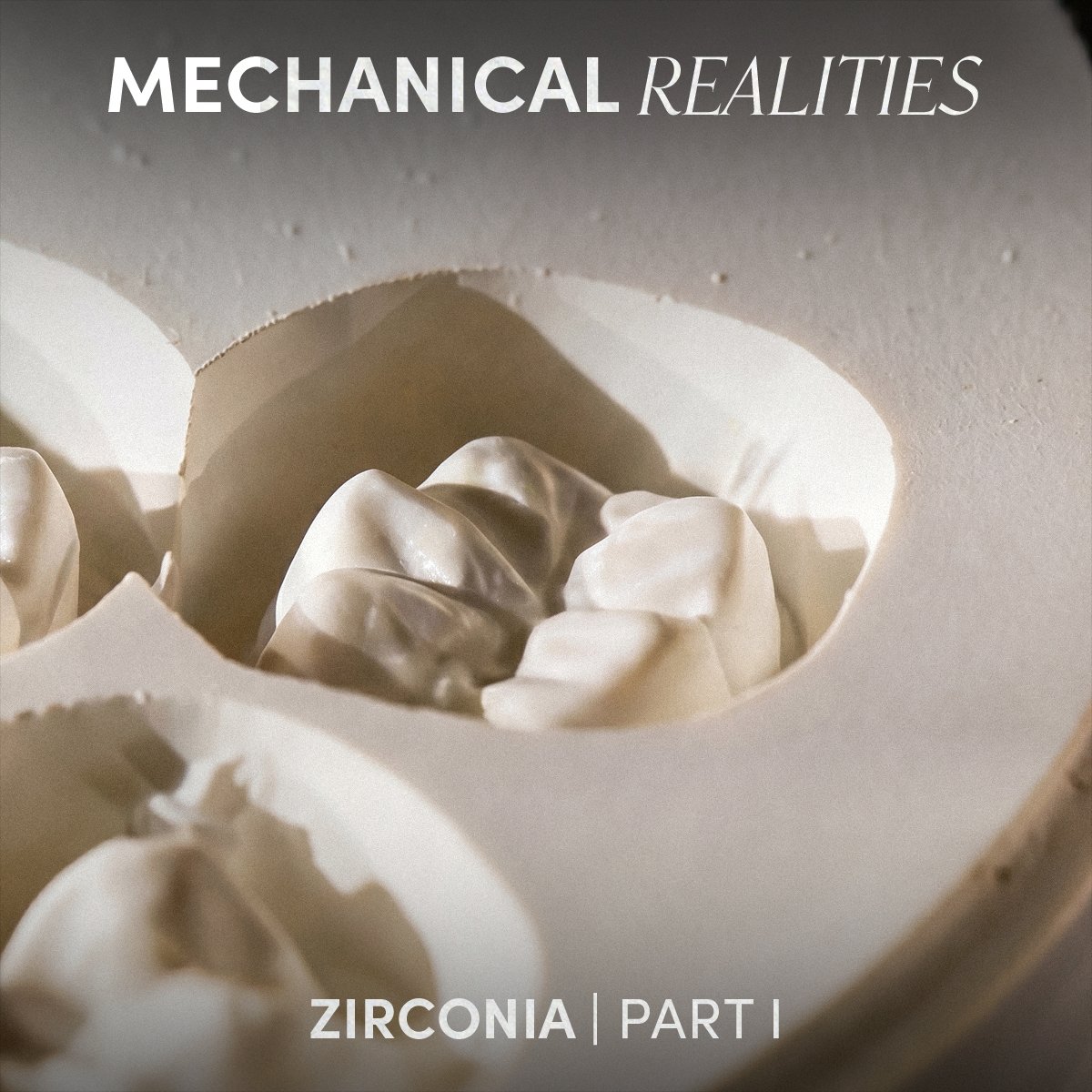
Zirconia is frequently described as “too hard” for dentistry.
From an engineering perspective, that statement misunderstands how structural ceramics actually fail. Hardness measures resistance to surface indentation. It does not describe fracture behavior. Zirconia fractures when tensile stress exceeds the material’s tolerance at a defect. Where that stress exists, and how it is distributed, matters far more than how hard the material is.
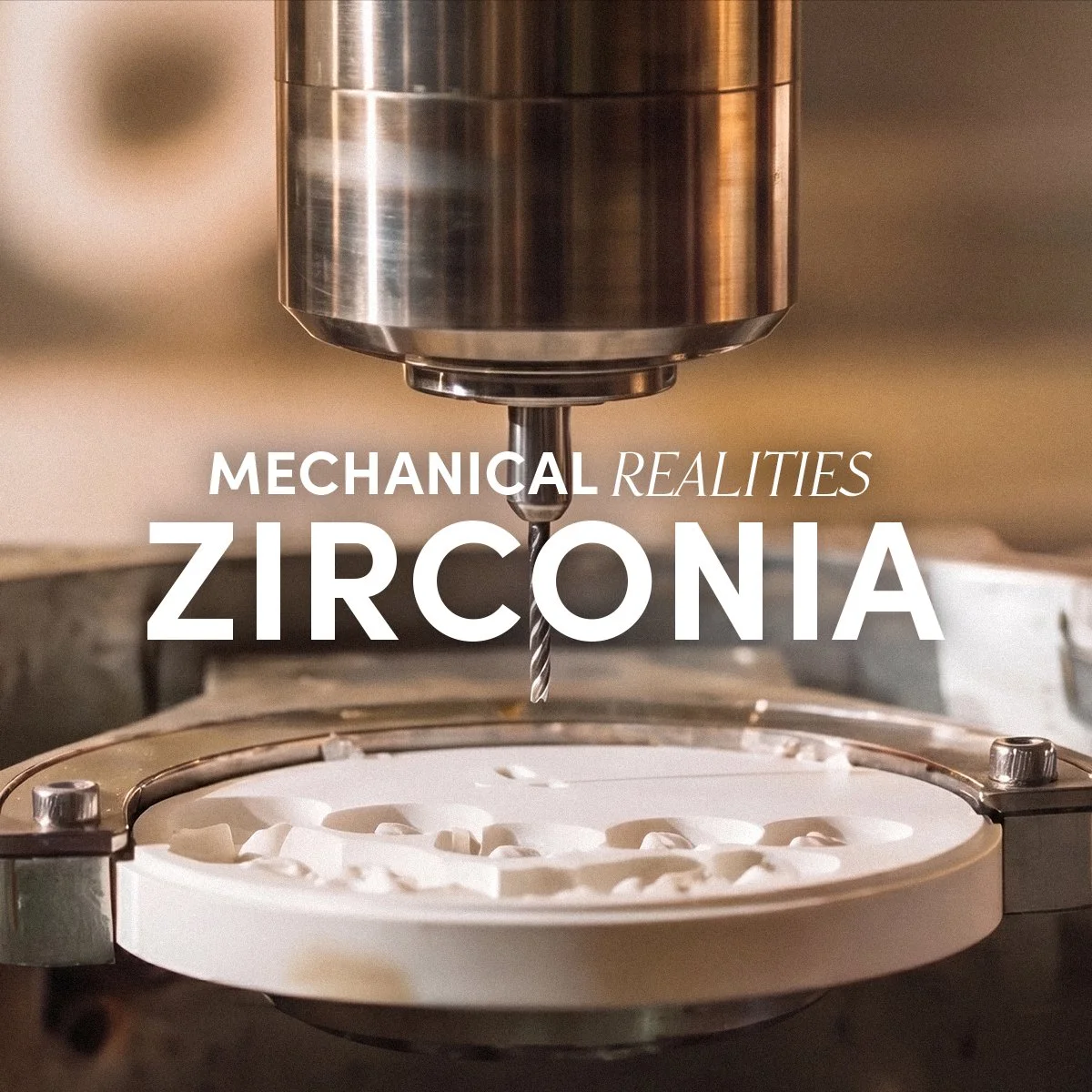
Zirconia is widely used. Widely discussed. And often misunderstood. Most of the conversation focuses on outcomes—what worked, what didn’t, what people prefer. Much less attention is given to the mechanics behind those outcomes. This new series, Mechanical Realities of Zirconia, takes a different approach. Instead of opinion or anecdote, it looks at how zirconia behaves under load—through stress, fatigue, geometry, and time. If you’ve ever felt like zirconia conversations miss what actually matters, this is where we start.
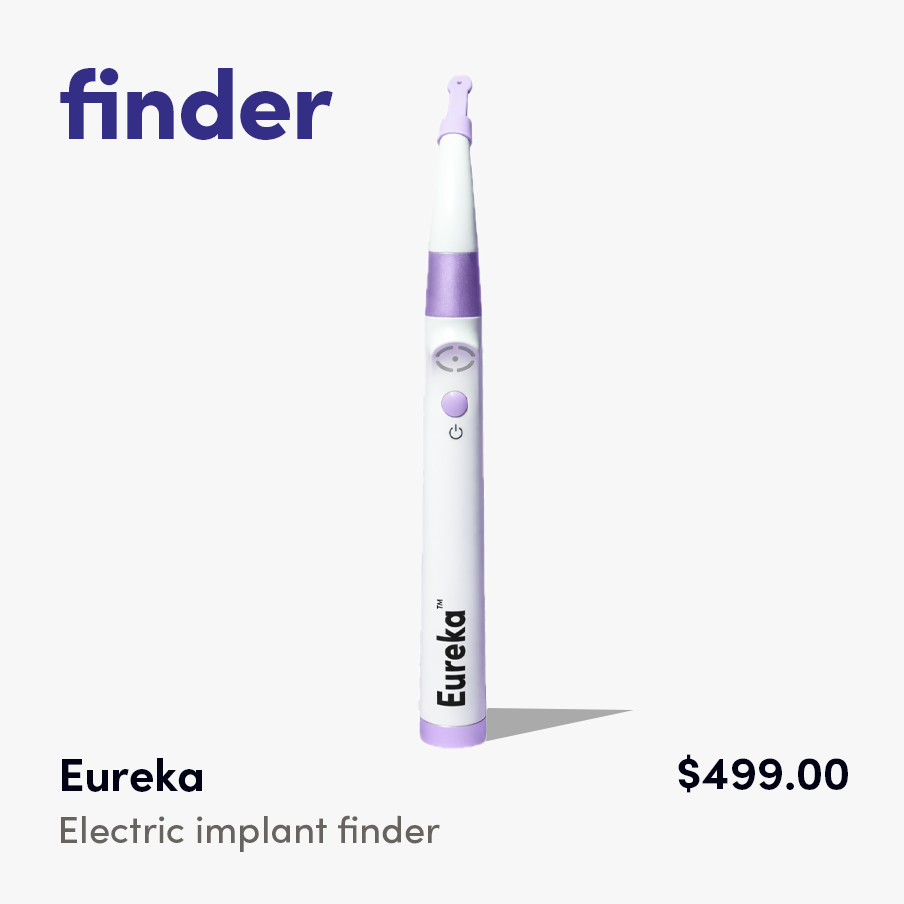
The rapid advancements in implant detection technology are revolutionizing dental implantology, offering clinicians non-invasive, efficient, and reliable methods to locate submerged implants. This article reviews the principles of implant detection, its clinical applications, and its potential to reshape restorative workflows in a way that elevates both precision and patient care.
The rapid advancements in implant detection technology are revolutionizing dental implantology, offering clinicians non-invasive, efficient, and reliable methods to locate submerged implants. This article reviews the principles of implant detection, its clinical applications, and its potential to reshape restorative workflows in a way that elevates both precision and patient care.
The rapid advancements in implant detection technology are revolutionizing dental implantology, offering clinicians non-invasive, efficient, and reliable methods to locate submerged implants. This article reviews the principles of implant detection, its clinical applications, and its potential to reshape restorative workflows in a way that elevates both precision and patient care.
The rapid advancements in implant detection technology are revolutionizing dental implantology, offering clinicians non-invasive, efficient, and reliable methods to locate submerged implants. This article reviews the principles of implant detection, its clinical applications, and its potential to reshape restorative workflows in a way that elevates both precision and patient care.
The rapid advancements in implant detection technology are revolutionizing dental implantology, offering clinicians non-invasive, efficient, and reliable methods to locate submerged implants. This article reviews the principles of implant detection, its clinical applications, and its potential to reshape restorative workflows in a way that elevates both precision and patient care.
The rapid advancements in implant detection technology are revolutionizing dental implantology, offering clinicians non-invasive, efficient, and reliable methods to locate submerged implants. This article reviews the principles of implant detection, its clinical applications, and its potential to reshape restorative workflows in a way that elevates both precision and patient care.
The rapid advancements in implant detection technology are revolutionizing dental implantology, offering clinicians non-invasive, efficient, and reliable methods to locate submerged implants. This article reviews the principles of implant detection, its clinical applications, and its potential to reshape restorative workflows in a way that elevates both precision and patient care.
The rapid advancements in implant detection technology are revolutionizing dental implantology, offering clinicians non-invasive, efficient, and reliable methods to locate submerged implants. This article reviews the principles of implant detection, its clinical applications, and its potential to reshape restorative workflows in a way that elevates both precision and patient care.
The rapid advancements in implant detection technology are revolutionizing dental implantology, offering clinicians non-invasive, efficient, and reliable methods to locate submerged implants. This article reviews the principles of implant detection, its clinical applications, and its potential to reshape restorative workflows in a way that elevates both precision and patient care.
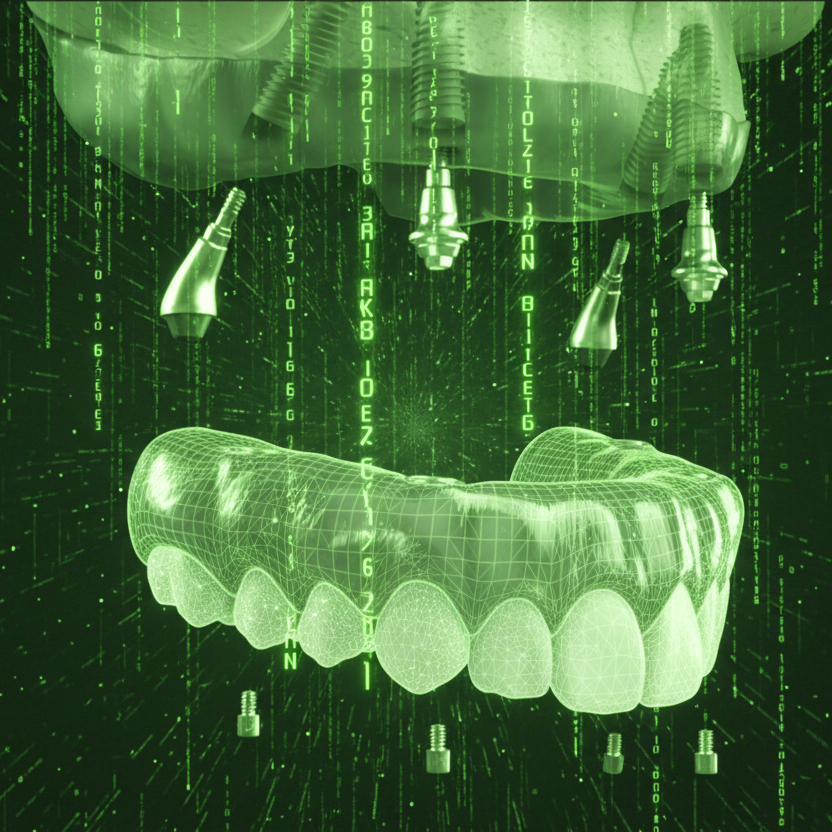
Digital dentistry has transformed implant workflows, yet consistency often falls short of the technology’s promise. In this insightful piece, master technician Frank-Charles Pope III shares more than 25 years of experience with All-On-X cases to reveal the hidden challenges that compromise predictable outcomes. From incomplete data capture to untrained restorative teams, he outlines where precision is most often lost and how preparation, communication, and standardization can bring it back. Seen through a laboratory perspective honed by thousands of full-arch restorations, the article underscores a simple truth: success in digital AOX depends less on the tools themselves and more on the people who use them.

The dental industry is rapidly embracing artificial intelligence (AI) as a transformative force. For dentists, this isn’t just a trend—it’s a paradigm shift in how diagnostics, treatment planning, and patient care are approached. AI is unlocking new levels of precision, efficiency, and accessibility, allowing dental professionals to elevate their practices and provide unmatched care.

The rapid advancements in implant detection technology are revolutionizing dental implantology, offering clinicians non-invasive, efficient, and reliable methods to locate submerged implants. This article reviews the principles of implant detection, its clinical applications, and its potential to reshape restorative workflows in a way that elevates both precision and patient care.

ORCAA Global is redefining implant dentistry by combining life-changing patient care with transformative, hands-on doctor training. At its world-class facility in Guatemala City, clinicians work side by side with leading experts, performing real surgeries and mastering every stage of full-arch rehabilitation. But what truly sets ORCAA apart is its culture, one built on compassion, collaboration, and integrity rather than competition. It’s more than education; it’s a movement restoring confidence to patients and purpose to practitioners, one smile at a time.

Don’t let outdated imaging haunt your workflow. With 3D clarity, greater diagnostic precision, and seamless integration, CBCT scanners are transforming modern dental care. Learn why now is the time to upgrade—and why Vatech may be the smartest investment you’ll make for your practice.

Burnout doesn’t have to be the norm. Discover how dentistry’s most fulfilled leaders are building purpose-driven practices, creating lasting legacies, and thriving with clarity—not chaos. From high-level coaching to powerful retreats, Influential Dental is redefining what leadership looks like in modern dentistry.

Dentistry is undergoing a technological revolution, with 3D printing leading the charge. This innovative technology is reshaping how dental devices and restorations are created, offering greater efficiency, precision, and improved patient care. For dentists, aiming to stay competitive, understanding and adopting 3D printing is essential as long as you understand its limitation. placing implants successfully—and transform the future of your practice.

Tired of the mess and guesswork in full-arch restorations? Discover FI3LD—the first workflow that captures implant and soft tissue data under compression in a single, blood-free scan. Born from real chairside experience, this game-changing system simplifies the process, boosts precision, and works seamlessly for dentists of all experience levels.

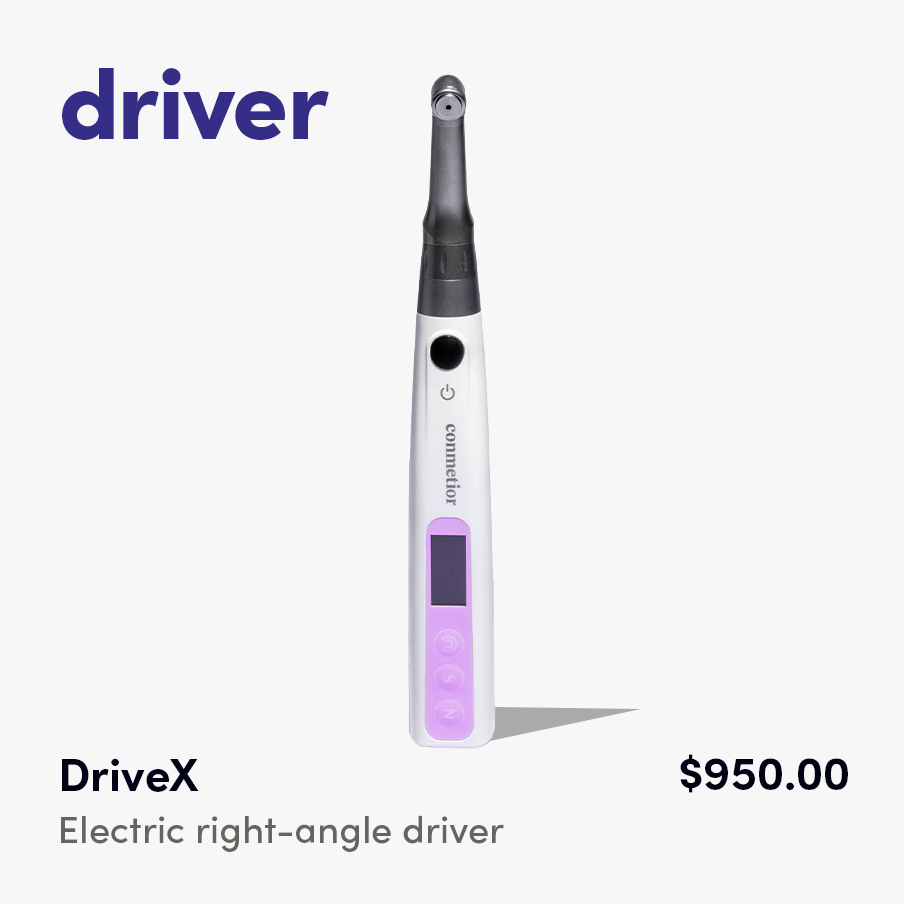
In implant dentistry, precision matters—and inconsistent torque delivery can quietly sabotage long-term outcomes. Discover how DriveX™ by Conmetior redefines reliability with medical-grade materials, calibrated electronics, and uncompromising engineering. If you’re still relying on manual drivers, it’s time to rethink what your tools say about your standards.

The rapid advancements in implant detection technology are revolutionizing dental implantology, offering clinicians non-invasive, efficient, and reliable methods to locate submerged implants. This article reviews the principles of implant detection, its clinical applications, and its potential to reshape restorative workflows in a way that elevates both precision and patient care.

With implant demand surging, now is the time for general dentists to step confidently into one of the most rewarding, profitable, and patient-centered areas of modern dentistry. Learn how the Burke Implant Academy equips you with the skills, support, and case selection strategies to start placing implants successfully—and transform the future of your practice.

Success in dentistry isn’t just about clinical skills—it’s about mindset, influence, and leadership. In this article, bestselling author and TEDx speaker Julieanne O’Connor reveals the high-performance strategies top dentists use to grow thriving practices without burning out. If you’re ready to level up your impact, your income, and your freedom, this is your playbook.